28-Days-to-Lean Meal Plan
With the right plan and discipline, significant leanness can be achieved in just 28 days.
Read article
Polycystic ovary syndrome (PCOS) is a hormonal disorder that significantly impacts ovulation, menstrual regularity, and fertility in women. Beyond reproductive effects, many women face distressing symptoms including oily skin, hair thinning, unexplained weight gain, and emotional challenges such as depression.
The good news? For those diagnosed with PCOS, evidence-based lifestyle modifications—including a nutrient-dense diet, regular exercise, and weight management—can significantly alleviate these symptoms, even though they do not cure the condition. In the sections below, our expert will detail the PCOS diet and help you assess if it may be appropriate for you.
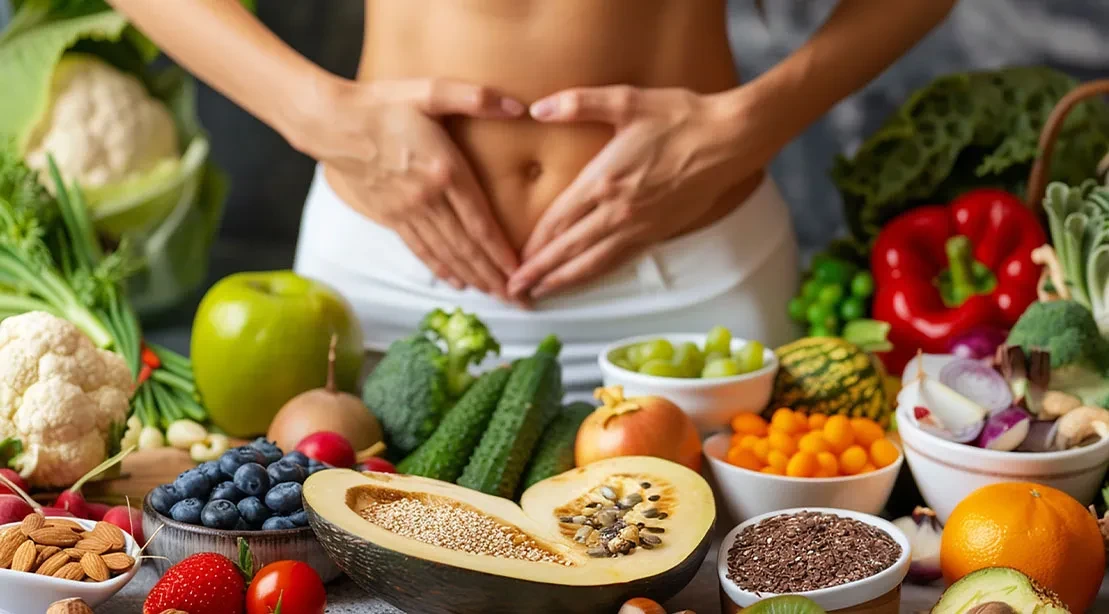
Bess Berger, RDN, founder of Nutrition by Bess in New Jersey and a specialist in PCOS, perimenopause, and menopause, emphasizes that the PCOS diet is far from a passing trend—it is a clinical strategy to mitigate the condition’s adverse effects. She explains that this diet prioritizes low-glycemic index (GI) and anti-inflammatory foods to address insulin resistance—a key driver of PCOS—and hormonal dysregulation. Core components include leafy greens, lean proteins, and whole, unprocessed foods. As Berger notes, “A plate that combines vibrant, nutrient-rich vegetables with high-quality protein is a hallmark of a well-formulated PCOS meal.”
In essence, the PCOS diet is transformative for individuals burdened by PCOS symptoms. “This is not about dropping a dress size,” Berger asserts. “It’s about regaining hormonal control and fostering a sense of empowerment.” The diet aims to eliminate the guilt and confusion often associated with PCOS, enabling informed food choices that align with physiological needs.
Expected benefits include reduced mood swings, improved menstrual cycle regularity, clearer skin, diminished hirsutism (unwanted hair growth), and enhanced desired hair growth. Berger highlights patient feedback as a key indicator of success: “I want clients to report lower fatigue, higher energy levels, more stable moods, and improved fertility predictability.”
“Nutrient-dense snacks are a cornerstone of an effective PCOS diet—and they extend beyond raw vegetables,” Berger notes. Roasted chickpeas, for example, are a highly satisfying option: “Their savory flavor, crunch, and low GI make them an ideal choice.” Stocking pantries with such nutrient-focused snacks eases the transition to a PCOS-aligned diet.
According to Berger, initiating a PCOS diet requires commitment, focus, and time. This process can feel overwhelming for those seeking to take charge of their nutrition for condition management. However, the most positive client feedback often revolves around sustainability: “I don’t feel like I’m on a PCOS diet” or “This feels like a lifestyle, not a diet.” Given individual biological variability, no single diet works universally, and personalized assessment is key to determining suitability.
Berger advises that positive indicators of a well-suited PCOS diet include stabilized blood sugar, improved sleep quality, reduced cravings, and regulated menstrual cycles—all signals to continue with the plan.
Conversely, if you experience persistent misery, unrelenting hunger, or worsening acne (similar to adolescent breakouts), Berger warns that the diet is misaligned. “Consult a registered dietitian—preferably one with specialized PCOS expertise who does not rely solely on calorie counting—to refine the plan,” she stresses. “A diet should never feel punitive.”
PCOS Diet for Beginners: What to Eat and What to Avoid
Share this article: